Series Information: SCOTTISH CUSTOMS & EXCISE AND REGIONAL SMUGGLING
The six books in this series include two general books about Scottish Customs & Excise Records and four regional guides to 18th century smuggling history.Scottish Customs & Excise Records with particular reference to Strathclyde
This handbook describes the Scottish Customs & Excise records available at the national and local archive offices
and at Greenock custom house. Several examples from the Strathclyde region are used to illustrate the different types
of information that can be obtained from these records. Over 130 ships registered at Greenock in 1786 are traced
through the subsequent shipping registers and the custom house letter-books of Greenock and other outports. Additional
examples from these records are found in Strathclyde's Smuggling Story and The Smugglers of Kyle.
Family Histories in Scottish Customs Records
This is not another guide to genealogical sources. Instead it concentrates on one particular type of record -
the Scottish Custom House Letter-books - showing the wealth of family history information that can be obtained
from this source. The information provides details of the lifestyles not only of the revenue men and smugglers
but also of the local community - the merchants, farmers, fishermen, mariners, constables, widows and children
of officers and seamen - in fact anyone who for one reason or another came into contact with the customs officers.
All the examples are from the Dumfries & Galloway records. This is a sequel to Scottish Customs & Excise Records
and additional information is available in Dumfries & Galloway's Smuggling Story.
Strathclyde's Smuggling Story
This book describes the history of smuggling in the Strathclyde region, based on information available from the
custom house letter-books and the correspondence of both local merchants and their suppliers on the Isle of Man,
including George Moore. It traces the types of goods smuggled, from their countries of origin to the consumer,
and explains the fluctuating popularity of different goods. Descriptions are given of the people involved, both
smugglers and preventive men, in the various parts of the region.
See also The Smugglers of Kyle: An A to Z in the Dundonald Series
& The Smuggling Trade Revisited in the Manx Series.
Dumfries & Galloway's Smuggling Story
Dumfries and Galloway's smuggling story is told through extracts from the custom house letter-books for the local
outports and from the correspondence of a Manx merchant who supplied his customers with tea, brandy, rum and wine.
Events are told from the viewpoint of several different participants - the smugglers, witnesses to their activities
and the preventive men who spent their time trying, mainly unsuccessfully, to halt the flow of contraband both
into the area and form there across the Border into England.
1993
ISBN 978 1 897725 03 0
A5 144pp paperback
Out of Print
ISBN 978 1 897725 03 0
A5 144pp paperback
Out of Print
See also The Smuggling Trade Revisited in the Manx Series.
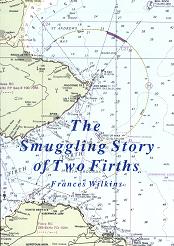
The Smuggling Story of Two Firths
This book, covering the area from Montrose in the north to Dunbar in the south: the Firths of Tay and Forth,
shows that there was a very active smuggling trade on the east coast of Scotland. The custom house letter-books
surviving for ten of the outports in the area are used as a basis for the story to which are added extracts from
the autobiographies of a seventeenth century customs officer and an eighteenth century smuggler, and from merchant
letter-books. Local smuggling events are illustrated by contemporary maps.
See also Dumfries & Galloway
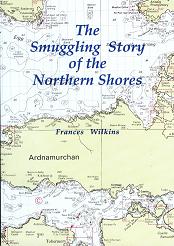
The Smuggling Story of the Northern Shores
Last in the series of Scottish smuggling stories, this book covers the area from Oban in the west to Montrose
in the east, including the major Islands. Based on the contemporary eighteenth century records, including custom
house letter-books for the outports and correspondence to or from 'smuggling' merchants in Kirkwall, Thurso,
Wick and Inverness, the smuggling story is told once again from a 'They Saw It Happen' viewpoint. A diorama at
the new (in 1995) HM Customs & Excise National Museum in Liverpool uses a story from the chapter on The Smugglers
so helping to bring to life this exciting smuggling story. Pointers are given for other researchers interested
in continuing the smuggling history of the area into the nineteenth century.